
bathroom toughened glass price
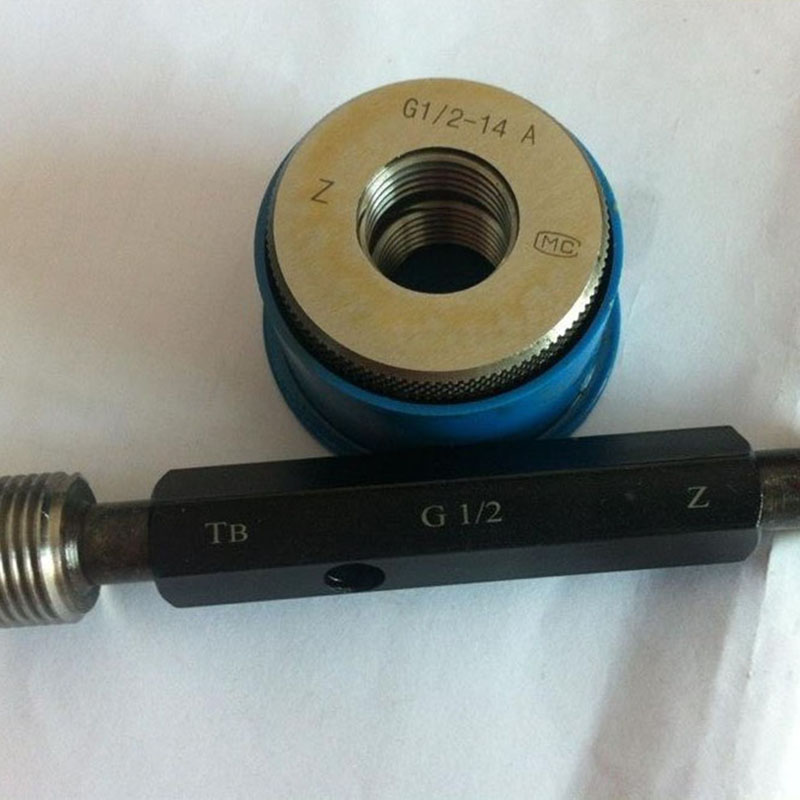
Understanding the 1% 4% 20% Thread Gage A Comprehensive Overview In the world of engineering and manufacturing, precision is critical. One of the vital tools that ensure threads meet required specifications is the thread gage. Among the many types available, the 1% 4% 20% thread gage is particularly noteworthy for its effective measurement capabilities. This article will delve into the significance, application, and implications of using this specific thread gage in various industries. What is a Thread Gage? A thread gage is a tool used to measure the size, pitch, and depth of threads on screws, nuts, and other fasteners. When a thread gage is employed, it can help in determining whether the threads are within the tolerances specified by engineering standards. Different types of thread gages are available, including plug gages, ring gages, and thread pitch gages, and each serves a unique purpose. The 1% 4% 20% Thread Gage Explained The term 1% 4% 20% in the context of thread gages typically refers to the statistical quality control framework used to assess the acceptable limits of tolerances in thread manufacturing. This principle is often grounded in the Six Sigma methodology, which aims to improve the quality of process outputs by identifying and removing causes of defects and minimizing variability. 1. 1% Tolerance This level indicates that only 1% of the production can fall outside of the specified tolerance range. It highlights the importance of maintaining extremely tight tolerances, crucial in high-performance applications where even the slightest misalignment can lead to catastrophic failures. 2. 4% Tolerance At this level, 4% of the products can be permissible deviations from the norm. This tolerance is often suitable for parts that are less critical but still require a robust measurement system to ensure performance and reliability over time. 3. 20% Tolerance With a broader tolerance of 20%, this standard might be applicable in applications where precision is less critical, allowing for easier manufacturing processes while still maintaining a baseline quality. This could be useful in less demanding assemblies where high-strength materials mitigate risks. Applications of the 1% 4% 20% Thread Gage The use of the 1% 4% 20% thread gage spans various industries, including 1 4 20 thread gage - Aerospace In this highly regulated field, thread precision is paramount. A slight defect could threaten the safety of an aircraft. Employing a 1% tolerance ensures that components meet stringent performance standards. - Automotive In the automotive sector, parts must endure extreme conditions, from temperature fluctuations to mechanical stress. Using these gages allows manufacturers to provide reliable materials that stand the test of time. - Manufacturing For general manufacturing, utilizing a 4% or 20% tolerance can enhance productivity. It empowers manufacturers to achieve a balance between efficiency and quality, allowing for cost-effective production without sacrificing essential standards. Benefits of Utilizing 1% 4% 20% Thread Gages 1. Quality Assurance Incorporating these gages into a quality assurance process minimizes defects and variances in production, ensuring that products consistently meet established specifications. 2. Cost Efficiency By identifying potential faults early in the production line, companies can reduce waste and save costs related to rework and scrap materials. 3. Enhanced Safety In critical applications where human lives are at stake, ensuring high-quality components through rigorous testing with thread gages can significantly enhance overall safety. 4. Regulatory Compliance Many industries are subject to regulatory standards that specify the required tolerances for components. Using these gages can help organizations stay compliant and avoid legal complications. Conclusion In conclusion, the 1% 4% 20% thread gage serves as an essential tool in various sectors that require high levels of precision in threaded components. By understanding and applying these standards, manufacturers can ensure quality, safety, and efficiency in their production processes. As technology advances, the importance of such measurement tools will only grow, cementing their place in the future of manufacturing and engineering.
about
bathroom toughened glass price
Hydraulic systems are critical components in modern industrial and infrastructure applications, requiring precise control of fluid flow to ensure safety, efficiency, and longevity. Among the essential elements in these systems is the slow-closing check valve , a device designed to regulate flow by preventing backflow while minimizing pressure surges. This article explores the innovative 300X slow-closing muffler check valve developed by Storaen (Cangzhou) International Trading Co., highlighting its technical specifications, applications, and the company's commitment to quality and innovation. Key Features and Functional Advantages The 300X slow-closing muffler check valve is engineered with a novel structure that addresses common challenges in hydraulic systems, such as water hammer and excessive resistance. Its standout features include: Superior Sealing Performance : The valve's design ensures a tight seal, preventing leakage and maintaining system integrity under high-pressure conditions. Low Flow Resistance : Optimized internal geometry minimizes energy loss, allowing for smooth fluid flow and improved system efficiency. Adjustable Closing Speed : Users can fine-tune the valve's closing mechanism to match specific operational requirements, reducing wear and tear on downstream components. Water Hammer Mitigation : By controlling the rate at which the main valve closes, the device effectively dampens pressure surges, extending the lifespan of pipes and equipment. Durable Construction : High-quality materials and advanced manufacturing techniques ensure long-term reliability in demanding environments. Technical Specifications Parameter Specification Model 300X Slow-Closing Muffler Check Valve Flow Rate Up to 1200 GPM (depending on size) Pressure Range 0-150 psi Materials Stainless steel, brass, and reinforced polymer components Operating Temperature -20°C to 80°C Connection Type Flanged or threaded (customizable) Adjustable Closing Time 0.5-10 seconds (user-configurable) Applications in Industrial and Infrastructure Systems The versatility of the 300X slow-closing muffler check valve makes it suitable for a wide range of applications, including: Water Treatment Plants : Preventing backflow in pumping systems and reducing pressure spikes during shutdowns. Oil and Gas Pipelines : Ensuring safe and efficient flow control in high-pressure environments. Power Generation : Protecting turbines and generators from water hammer effects in cooling systems. Manufacturing Facilities : Maintaining consistent fluid flow in hydraulic machinery and automated systems. Fire Suppression Systems : Regulating water flow to prevent damage from sudden pressure changes. Company Background: Storaen (Cangzhou) International Trading Co. Founded in 2005, Storaen (Cangzhou) International Trading Co. has established itself as a leader in the supply of industrial valves and hydraulic components. With a focus on innovation and quality, the company serves clients across North America, Europe, and Asia. Their commitment to research and development ensures that products like the 300X slow-closing muffler check valve meet the highest standards of performance and reliability. Storaen's expertise in hydraulic systems is complemented by its adherence to international standards, including ISO 9001:2015 and ASME. The company's state-of-the-art manufacturing facilities and rigorous quality control processes guarantee that every product delivers exceptional value to customers. Industry Standards and Regulatory Compliance The 300X slow-closing muffler check valve is designed to comply with global industry standards, ensuring compatibility and safety in diverse applications. Key certifications include: ISO 9001:2015 : Quality management system certification. ASME B16.34 : Standards for valves used in piping systems. API 602 : Specifications for compact gate, globe, and check valves. For further insights into hydraulic system standards, refer to the National Institute of Standards and Technology (NIST) , which provides critical research and guidelines for industrial applications. Expertise and Innovation in Hydraulic Technology According to NIST , "Hydraulic systems require precise control mechanisms to ensure operational safety and efficiency. Innovations in valve technology, such as slow-closing designs, play a pivotal role in mitigating risks associated with pressure fluctuations and system failures." The 300X slow-closing muffler check valve exemplifies this innovation by integrating advanced engineering principles to address real-world challenges. Storaen's commitment to innovation is evident in its collaboration with leading research institutions and its investment in cutting-edge manufacturing technologies. This approach ensures that the company remains at the forefront of hydraulic system advancements. Conclusion The 300X slow-closing muffler check valve represents a significant advancement in hydraulic technology, offering unparalleled performance, reliability, and adaptability. Its unique design and robust construction make it an ideal solution for industries where precision and safety are paramount. By partnering with Storaen (Cangzhou) International Trading Co. , businesses can leverage cutting-edge valve technology to enhance system efficiency and reduce operational risks. References National Institute of Standards and Technology (NIST) . (n.d.). Hydraulic Systems and Pressure Control. Retrieved from https://www.nist.gov .
-

High quality industrial productsagement

High quality industrial products
View Details -

Meet the diverse needs of customers

Meet the diverse needs of customers
View Details -

Strict quality control

Strict quality control
View Details -

Top raw materials

Top raw materials
View Details -

Trusted supplier

Trusted supplier
View Details
Our application


news and information
Wood Villa House Truss Repair Mending Nails and Plates Solution
The Essential Role of Truss Mending Nail Plates in Wooden Villa Construction In the realm of archit
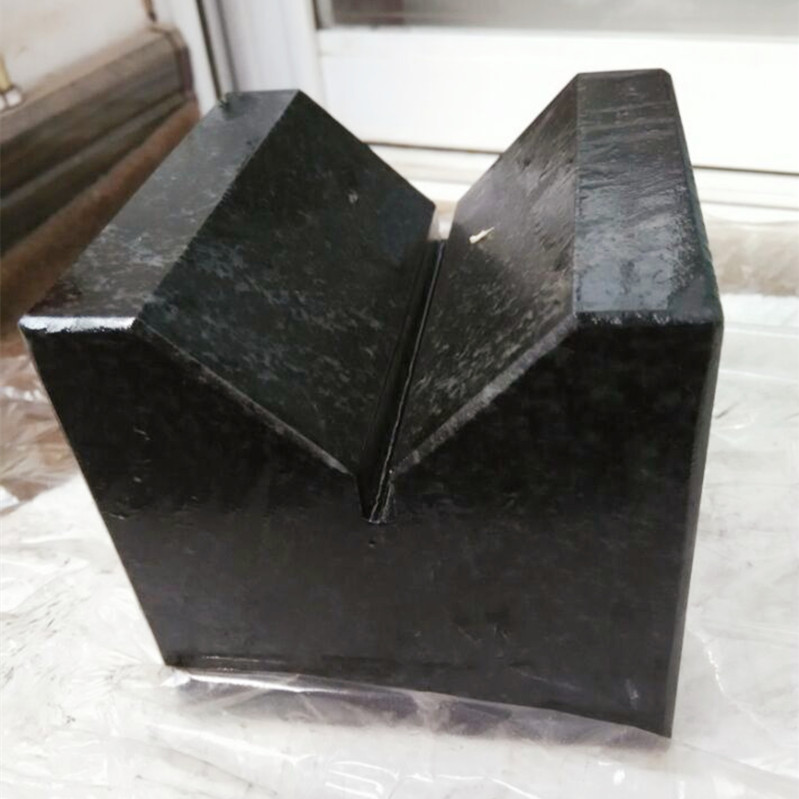
Versatile 4x8 Welding Table for Precision Metalwork and Fabrication Projects
The Versatility of a 4x8 Welding Table In the world of metalworking and fabrication, the importance
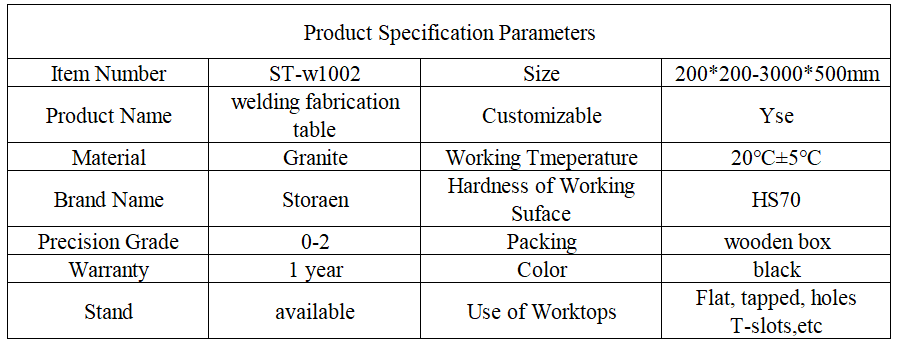
Welding table with dimensions 3x6 for efficient work
The Significance of a 3x6 Welding Table in Modern Welding Operations A welding table is an essentia
 English